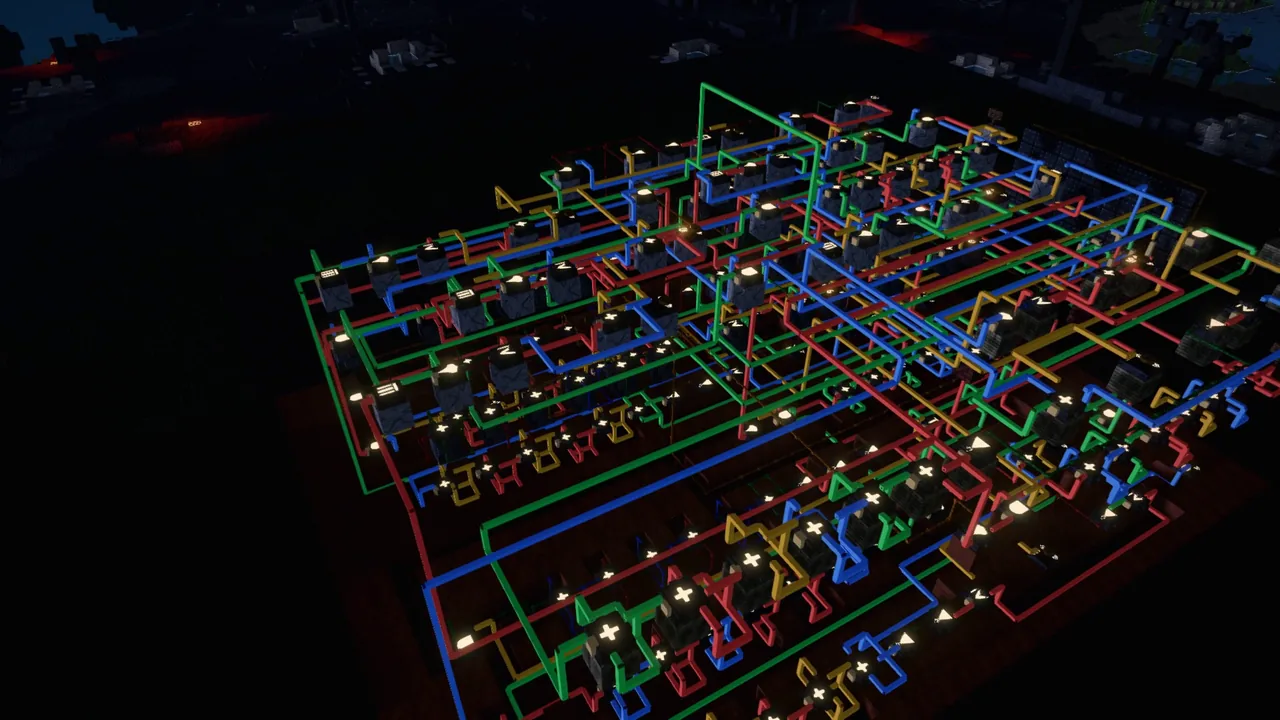
Wiring
Wires carry numbers now, from 0 to 255. That's enough to build a clock, a music box, a game of Pong, or DOOM.
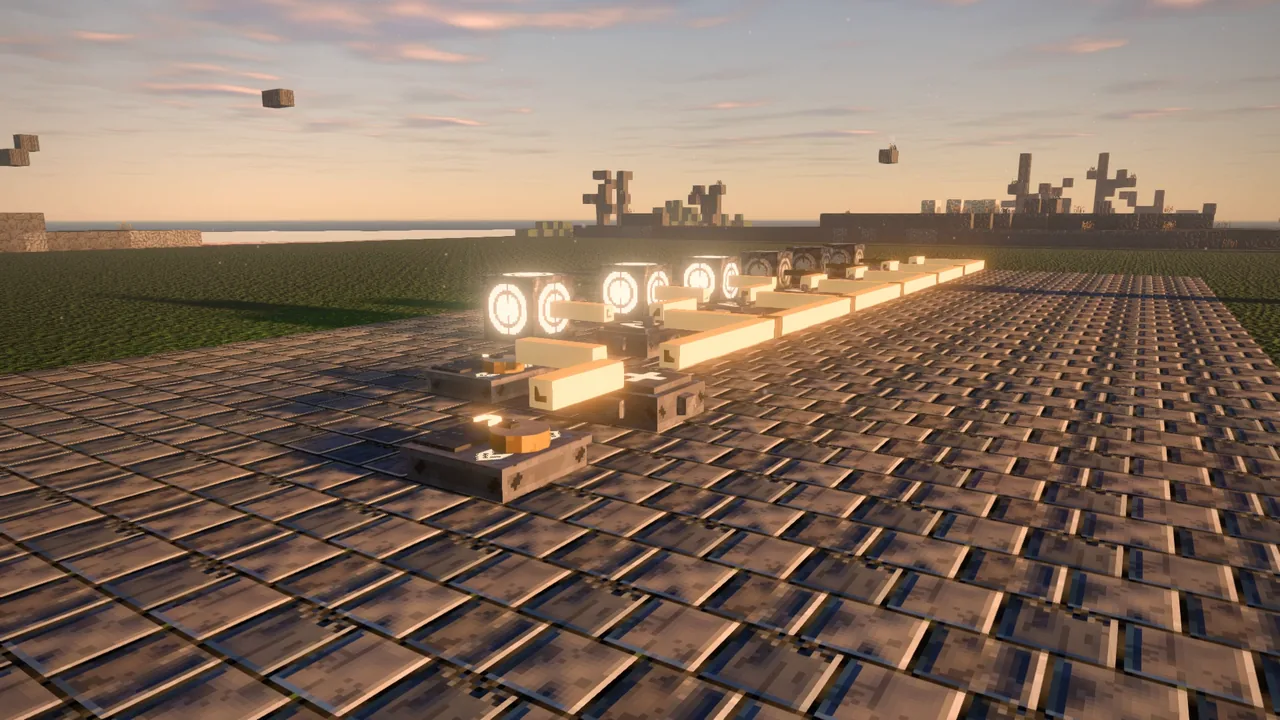
Numbers on the wire
Levers and buttons still put out 1, so everything you've already wired works as before. But a wire can carry any number up to 255. Look at one to see what's on it, and at a gate to see what it puts out.
AND passes the smallest of its inputs and OR the largest. New gates work with the numbers: the Adder, the Subtractor, the Comparator, and the Memory Cell, which keeps a number until it's told to take a new one.
Clocks, counters and sensors
The Clock ticks as often as you set it, the Counter counts pulses up and down, and the Random gate draws a new number each time. Put numbers in by hand with a Number Dial, a Keypad or a Switch Panel.
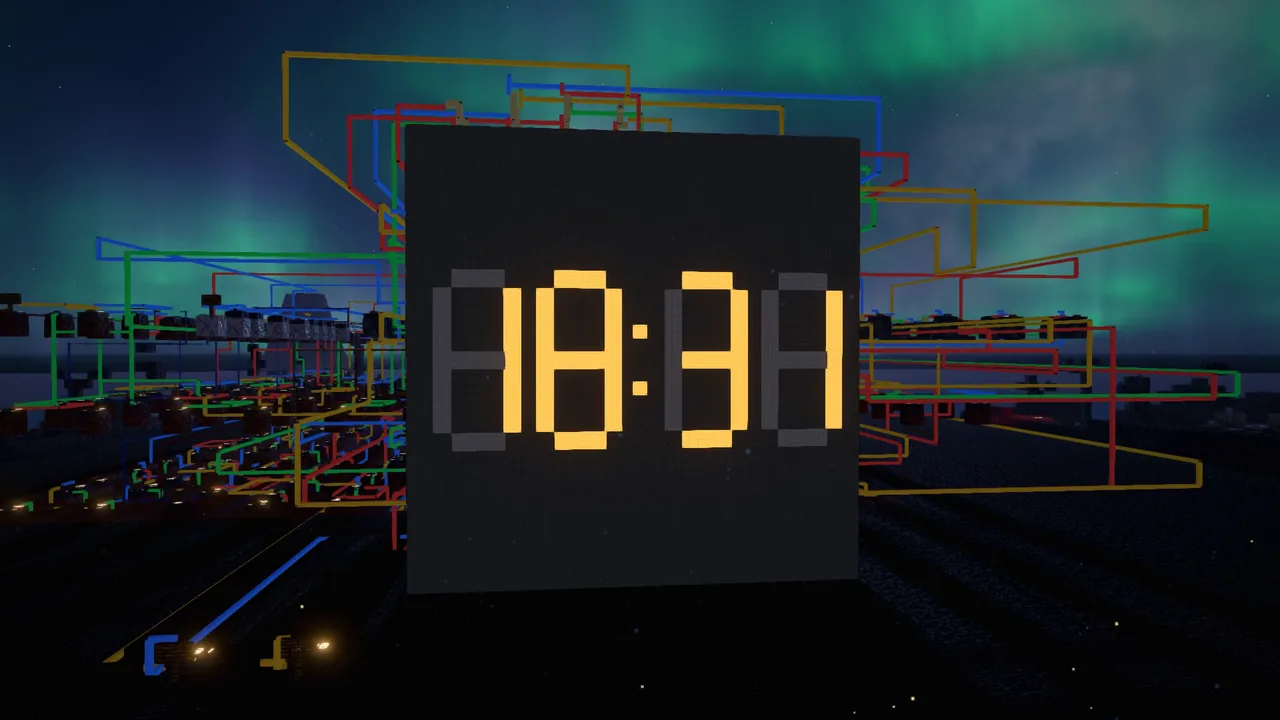
Sensors read the world as numbers: how many players are near, how full a chest is, how much water is in a cell, how fast a machine turns, and what time it is. That's how the wall clock in the picture knows the hour.
Screens
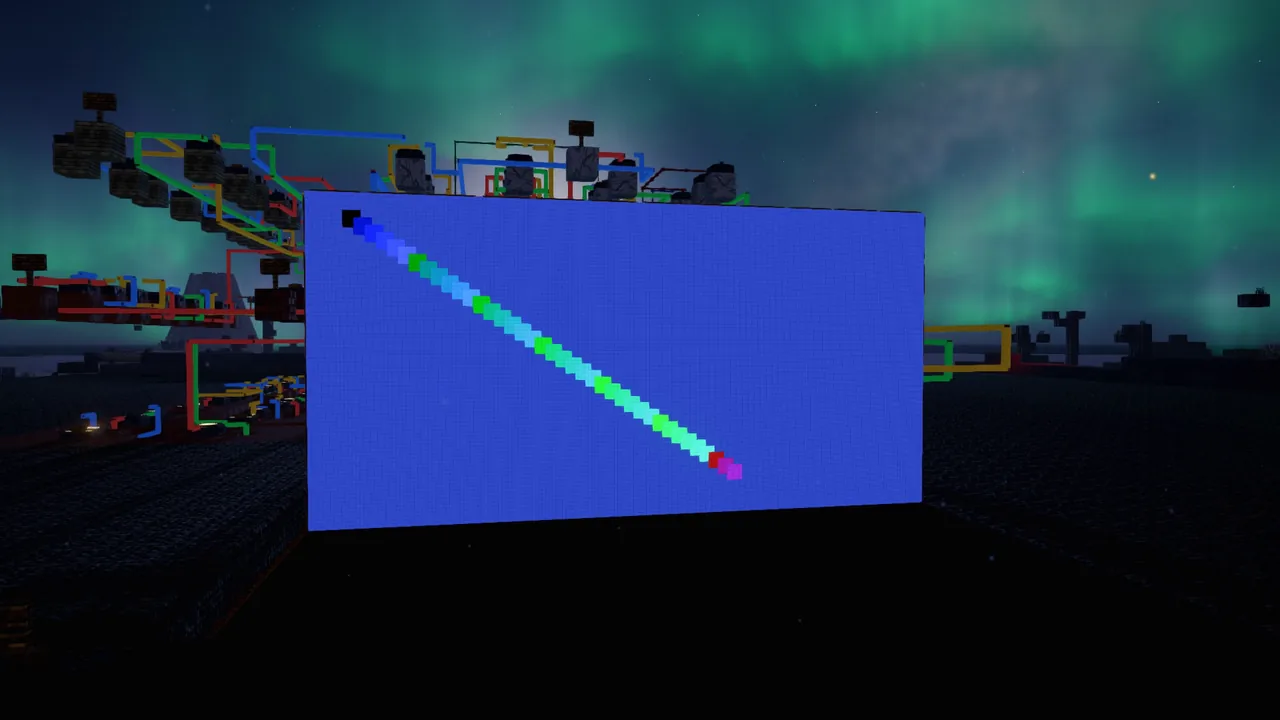
A screen is 16 by 16 pixels in 256 colours. Put screens side by side and they become one display, up to 16 blocks across.
You draw on them with the four lanes of a conduit: X, Y, the colour, and what to do (a dot, a line, a box, clear). Every conduit against the display is its own pen, so a whole picture can be drawn at once. Everyone in multiplayer sees the same thing.
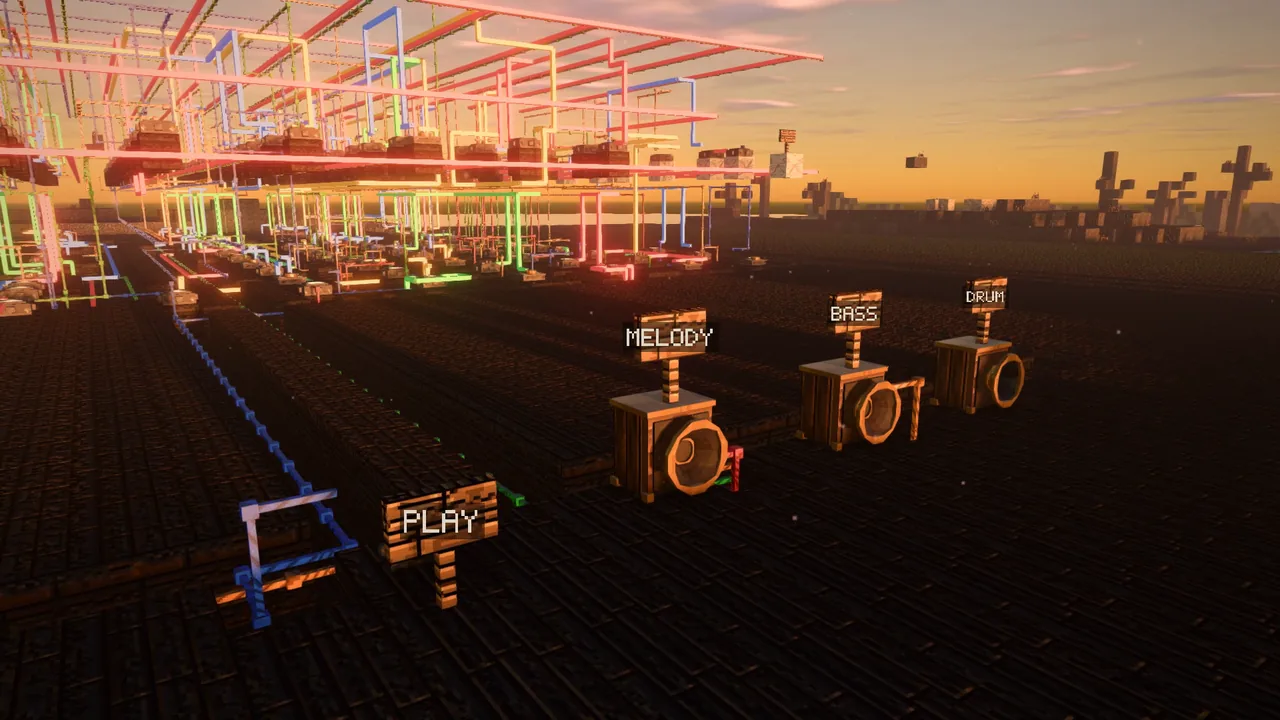
Speakers
A speaker plays the note its wire says, each time the number changes. Twelve numbers is an octave, and there are six instruments: lyre, chime, flute, horn, bass and drum. A counter stepping through a tune plays the tune.
Tinker
A small programming language, and the game builds what you write as real gates and wire, in front of you.
Write it
Inputs are levers, buttons, dials and keypads; outputs are lamps, speakers and screens. It can add, subtract, multiply, divide, compare, and keep numbers from one tick to the next.
Check it
/tinker check tells you what's wrong and on which line. A guide to the whole language sits in the programs folder next to your worlds.
Build it
/tinker build lays the circuit out in tidy rows and storeys, with a desk holding its controls. You can walk through it and watch it think.
Built in Tinker
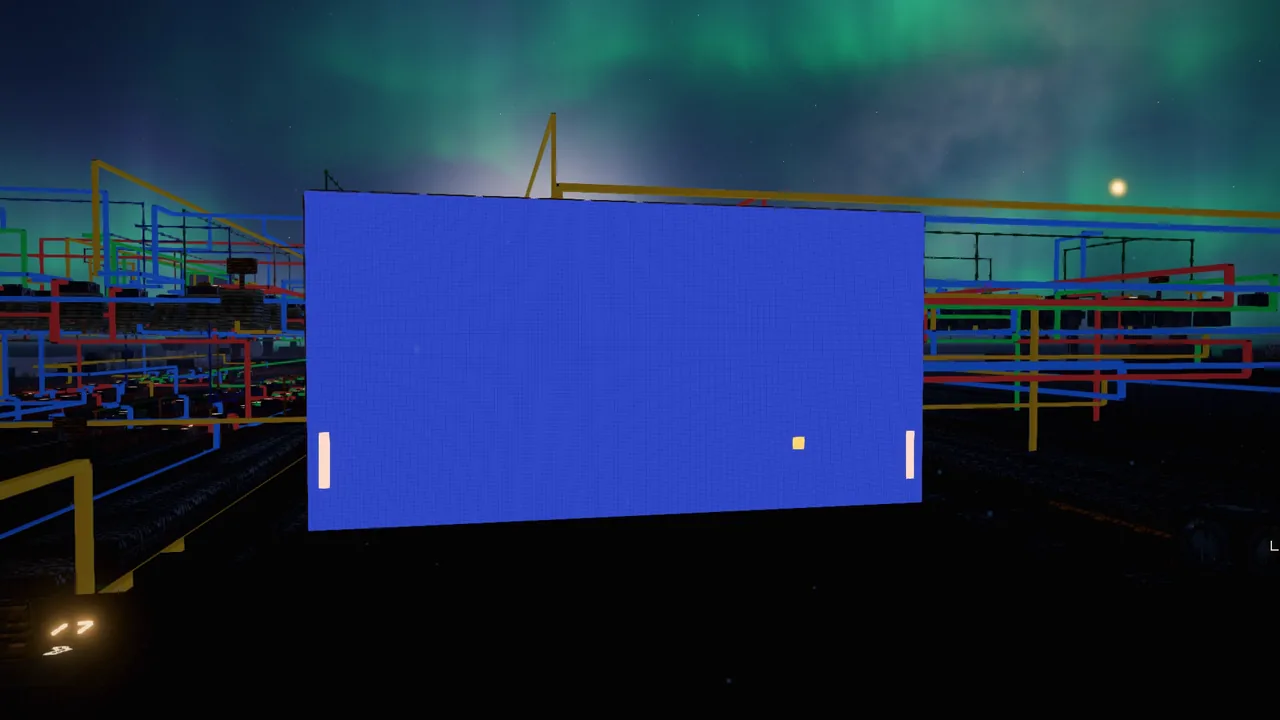
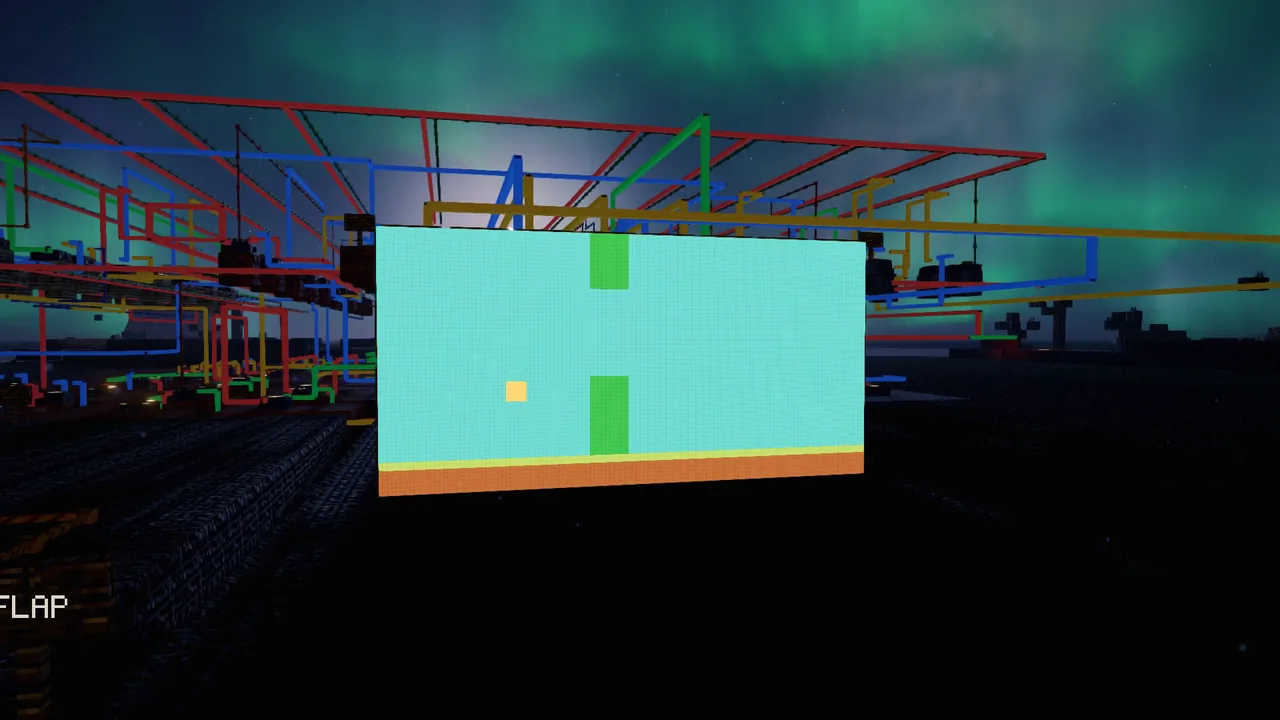
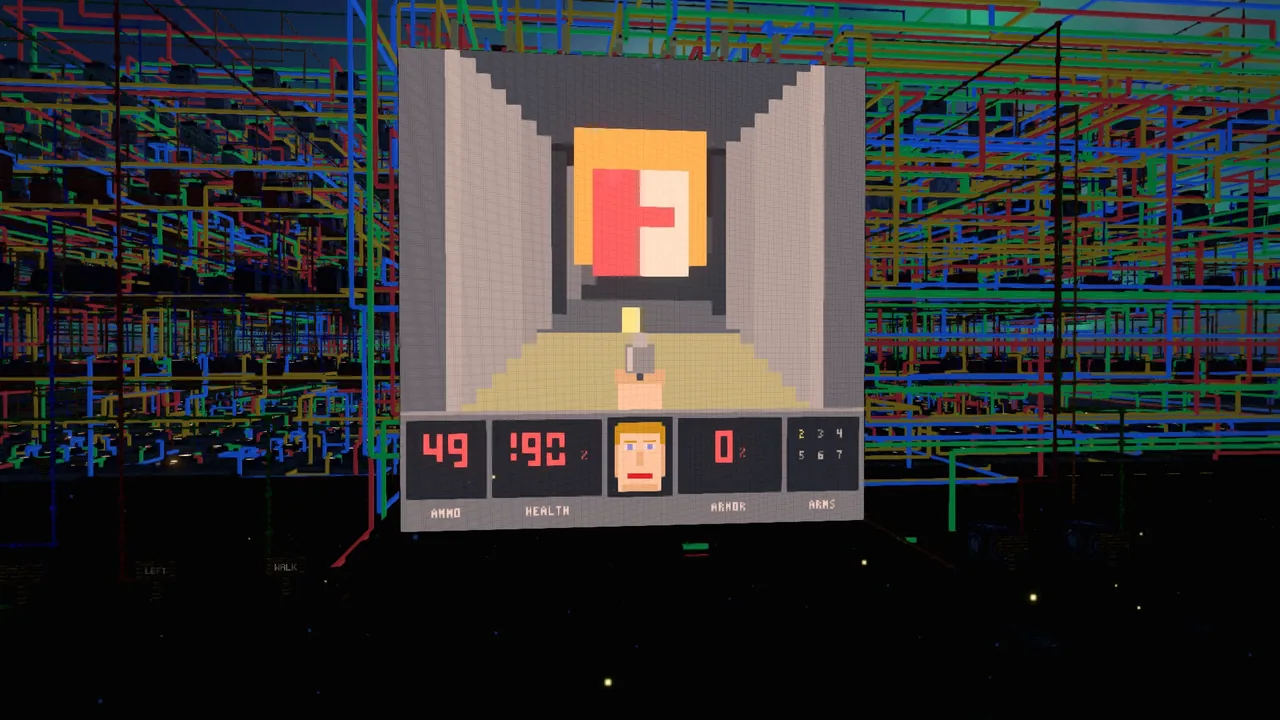
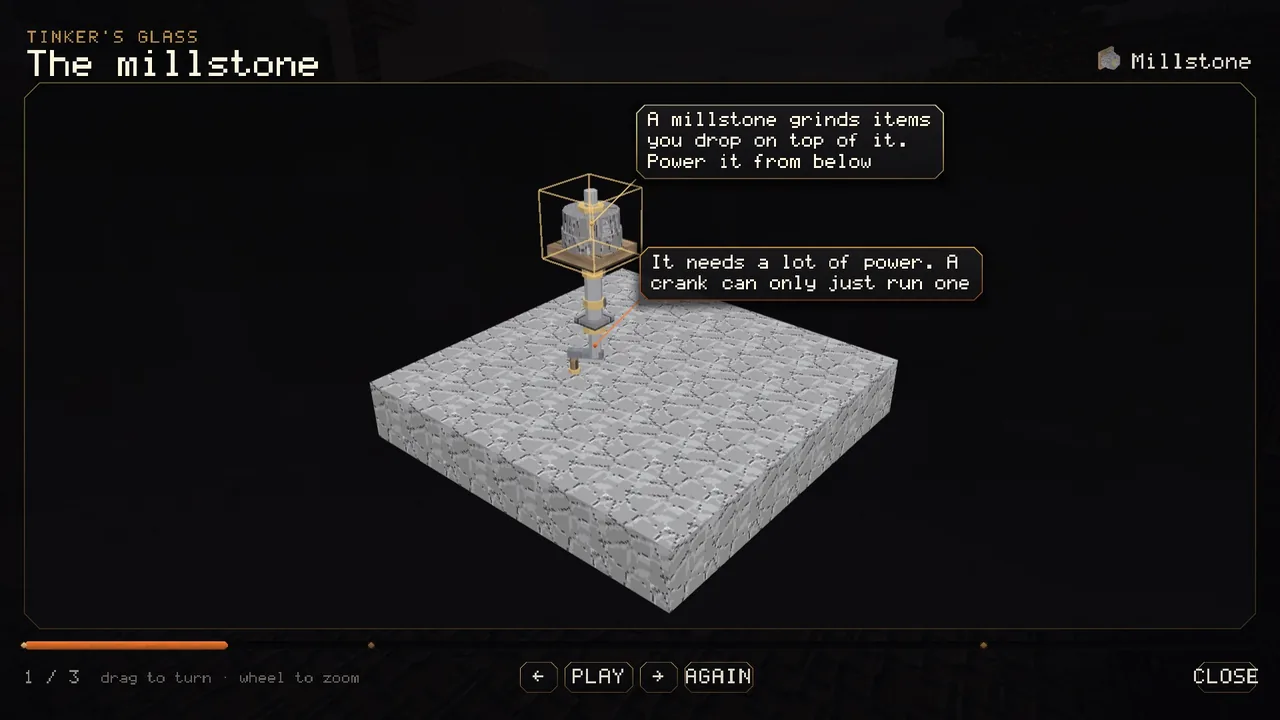
Tinker's Glass
Every part has a scene in Tinker's Glass showing how it works, on a real piece of the world. Hold the key on a part to open it. Fifteen new scenes cover numbers on wires, conduit lanes, every gate, the number inputs, the sensors and drawing on screens.